Industrial Burners

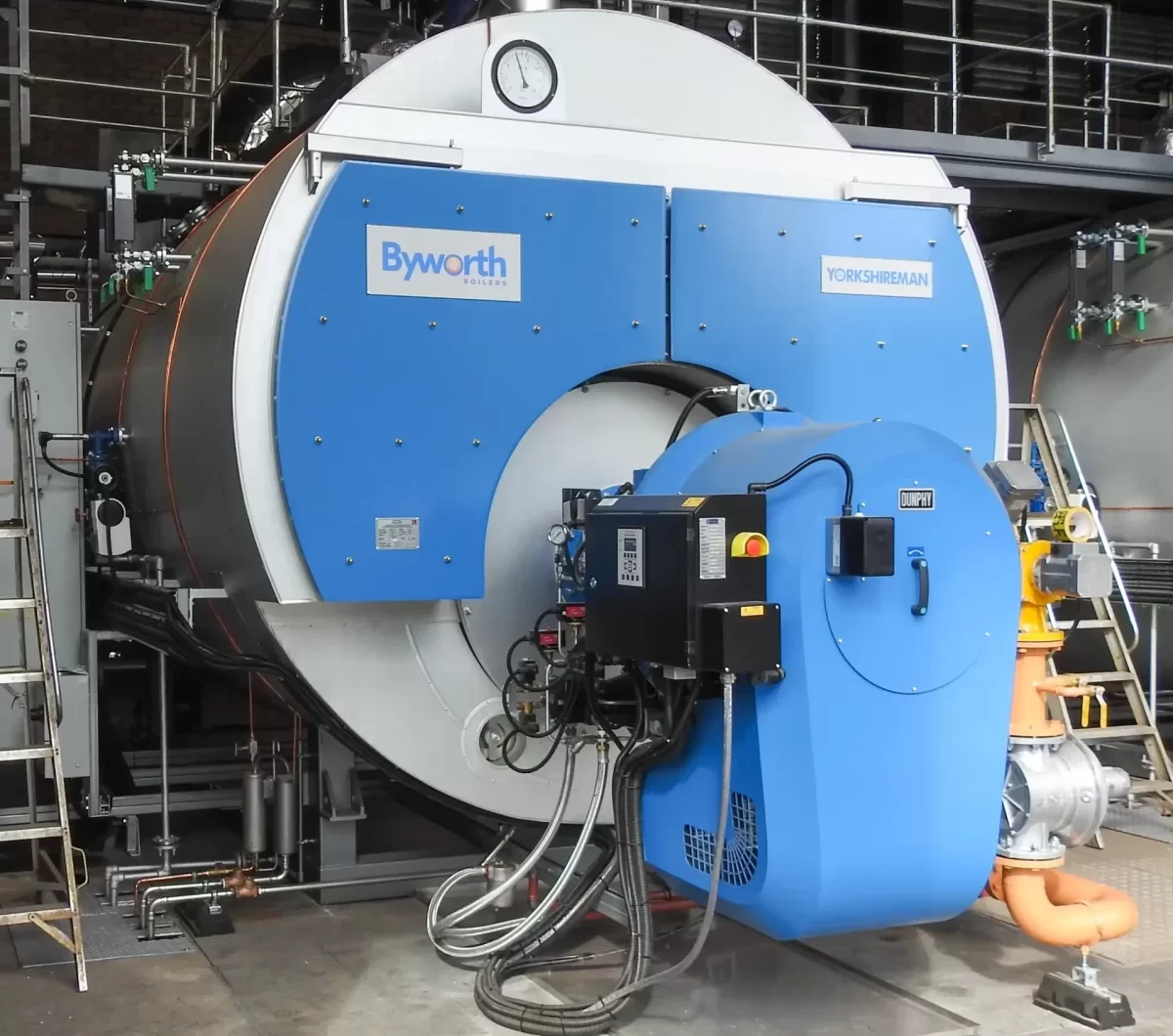
Dunphy burners are equipped with advanced controls for optimal performance, energy efficiency, and emissions reduction, and can be installed within fully prefabricated packaged plant rooms.

Our industrial burners are designed to operate on a wide range of fuel types, including: hydrogen, biogas, natural gas, liquid gases, light fuel oils and heavy fuel oils, and can be supported by gas boosters to maintain stable supply and pressure.

Speak to Dunphy about industrial burners.

If you are specifying or sourcing an industrial burner, our engineering team can support your decision. Contact Dunphy below to discuss your requirements.

Why choose Dunphy for your industrial burners?

Dunphy’s industrial burners are designed to support a variety of applications, from heat and steam systems to process applications and incineration. These solutions work efficiently alongside industrial boilers for complete energy systems. With capacities ranging from 100 kW to 60 MW, our burners are suitable for all types of gas-fired, steam, and incineration boilers, as well as furnaces.

Since Malcolm Dunphy patented the first axial airflow burner in 1971, we have been at the forefront of energy-efficient combustion technology. Today, our ultra-low NOx burners deliver high-efficiency, low-emission solutions tailored to meet the demands of diverse industrial applications.

What is an industrial burner?

An industrial burner is a combustion device that mixes fuel and air in controlled proportions to generate heat for industrial processes. These burners are typically used in boilers, furnaces, kilns and energy systems where consistent, high-output heat is required. Industrial burners are designed to operate with a variety of fuels, including natural gas, hydrogen, biogas and fuel oils, providing reliable heat generation while maintaining efficient combustion and stable system performance.

How do industrial burner systems work?

Industrial burner systems work by mixing fuel and air in controlled ratios to produce a stable and efficient flame. A blower or compressor supplies air, while a fuel valve regulates the fuel flow. The mixture ignites through a spark or pilot flame, generating heat for industrial applications like boilers and furnaces.

What are the advantages of industrial gas burners?

Industrial burners are designed to deliver efficient, reliable and adaptable heat for a wide range of applications. By selecting the right burner, operators benefit from lower costs, greater flexibility and improved environmental performance.

Key advantages include:

  • Industrial burners improve energy efficiency by optimising the air-fuel mix to reduce waste and fuel consumption.
  • Provide precise combustion control that maintains consistent heat and stable operating conditions.
  • Offer fuel flexibility, supporting gas, liquid, dual-fuel and hydrogen-ready applications.
  • They help lower emissions by reducing NOâ‚“, CO and other pollutants to meet environmental regulations.
  • Reduce maintenance needs as reliable combustion lowers servicing requirements and downtime.
  • Respond quickly to load changes, adapting easily to fluctuations in process demand.

Burner Range

We offer three types of burners to suit various industrial needs:

Monobloc Axial Airflow Burners

The T-series axial airflow burners are designed for single or multi-fuel use with all liquid and gaseous fuels. These burners are ideal for applications ranging from 100 kW to 14 MW, including:

  • Heat and steam systems for buildings
  • Industrial processes such as manufacturing, drying, brewing, distilling, and dairy operations
  • Waste-to-energy processes
  • Incineration

Duobloc Bespoke Burners

The B-series bespoke burners are tailored for high-output applications of up to 80 MW and are suitable for:

  • Incineration
  • Auxiliary firing for biomass boilers and special fuels
  • Air preheat applications up to 300°C, maintaining body temperatures below 50°C
  • ATEX and SIL-approved applications for hazardous environments

Alternative Bespoke Burners

Our on-site mechanical design studio allows us to create bespoke solutions for specialised industrial applications. These include sluice, start-up, and auxiliary burners for applications including

  • Fast furnace heating
  • Water tube boiler applications
  • Fluidised bed applications
  • Waste recovery processes

Dunphy burners are highly flexible and compatible with a wide range of fuels, including:


Core features of Dunphy Burners

Low NOx Combustion

All T-series burners come equipped with low NOx combustion heads as standard, ensuring compliance with emissions regulations.

High Turndown Ratios

Burners achieve up to 12:1 turndown on gas, 4:1 on oil, and 8:1 on oil-fired steam with air atomisation, ensuring efficient operation across varying loads.

Digital Modulation

Fitted as standard, digital modulation ensures high accuracy of control, optimising performance and reducing fuel consumption.

Thorough Testing

Every burner is rigorously tested in our R&D test lab before dispatch, ensuring maximum reliability and performance.

Made in Britain

Designed, manufactured, and assembled at our UK factory, ensuring the highest standards of quality.

Low Noise Operation

The axial airflow design encapsulates the motor and fan within the casting, significantly reducing operational noise levels.

Additional features

While Dunphy burners are often customised for specific applications, we also offer a range of off-the-shelf features that enhance performance and emissions control:

Oxygen Trim

Adjusts the fuel/air ratio to maintain minimal excess oxygen, enabling consistent combustion with oxygen levels of 2-2.5% across the turndown range. This compensates for fluctuations in fuel calorific value, temperature, and pressure.

CO Trim

Continuously reduces air supply, enabling the burner to operate safely at sub-1% oxygen levels, maximising efficiency while preventing CO formation.

Flue Gas Recirculation (FGR)

Achieves ultra-low NOx emissions of less than 30 mg/Nm³ on gas and 100 mg/Nm³ on oil, enhancing environmental compliance.

Multi-Nozzle Head

Allows for dual or triple fuel configurations, enabling the burner to use multiple fuels either simultaneously or independently.

Explore our industrial burners

FAQ’s

What is an industrial burner used for?

Industrial burners provide controlled heat for processes such as steam generation, hot water production, drying, brewing, chemical processing, and waste-to-energy applications.

What fuels can industrial burners operate on?

Most industrial burners are designed for natural gas or oil, but many can operate on dual fuel, biofuels, hydrogen blends or even 100% hydrogen, depending on the specification.

How do industrial burners improve efficiency?

By precisely controlling the air-fuel ratio and flame characteristics, industrial burners maximise usable heat, reduce fuel consumption and minimise emissions.

Do industrial burners require regular maintenance?

Yes, routine inspection and servicing are essential to maintain safe, reliable and efficient operation, though modern burners are designed to minimise downtime.

Can industrial burners help reduce carbon emissions?

Absolutely – low-NOx designs, hydrogen-ready technology and electric options all support decarbonisation and compliance with strict environmental standards.

Enquire about our industrial burners

Fill in the information required and we will get back to you as soon as possible.

Certifications

arrow-downarrow-left-greyarrow-leftarrow-right-greyarrow-right-largearrow-right-longarrow-rightcallcloseemailfind-usicon__arrow-right icon__envelopeicon__phoneicon__pinicon__quote icon__spannericon-arrow-right-blackicon-arrow-right-primaryicon-arrow-right-whitelogo-smallnav-arrowsocial_facebooksocial_googleplussocial_instagramsocial-linkedin-altsocial_linkedin_altsocial-linkedin2social_pinterestlogo-twitter-glyph-32social_youtubetagline